Before you compare manufacturers, settle one thing: physical or chemical exfoliation. A scrub built on sugar, sea salt, pumice or bamboo powder, with claims kept to how skin looks and feels, is a cosmetic and carries no special regulatory burden. Add an alpha hydroxy acid (AHA) and the product can still be a cosmetic, but any claim that it treats a skin condition turns it into an unapproved drug. Pick the category first; your manufacturer, your minimum order and your label copy all follow from it.
Body scrubs look like one of the simpler products to launch, and in formulation terms they often are. The decisions that actually cost brand founders money are made before a single jar is filled: which exfoliant, which regulatory lane, and whether a stock formula or a custom one fits the volume you can realistically sell. This is a buyer’s guide to those decisions, with real manufacturers named and the honest note on where any one of them is the wrong call.

Physical, enzyme or chemical exfoliation — what each means for compliance
Exfoliating scrubs fall into three broad mechanisms, and the one you choose decides how the product is regulated in the United States.
- Physical exfoliants — sugar, sea salt, micronized walnut shell, pumice, bamboo powder. These remove dead surface cells mechanically. With appearance-and-feel claims only, a physical scrub is a cosmetic under the FD&C Act.
- Enzyme exfoliants — papain (papaya), bromelain (pineapple), fruit-acid complexes. These loosen surface cells biochemically rather than by abrasion, and are typically gentler.
- Chemical exfoliants — AHAs such as glycolic and lactic acid. At cosmetic concentrations and with cosmetic claims, an AHA scrub can remain a cosmetic. Marketed as an acne treatment, to fade scars or to lighten discoloration, it becomes a drug and needs the corresponding FDA oversight.
The line is drawn by the claim, not the ingredient. The U.S. Food and Drug Administration is explicit that an AHA product sold for exfoliation and smoother-looking skin is a cosmetic, while the same product sold to treat a skin condition is a drug — see the FDA’s guidance on alpha hydroxy acids. A sugar or sea-salt scrub with no therapeutic claims stays comfortably on the cosmetic side; adding an AHA does not by itself change that, but any claim to treat a condition does.
One practical label point for AHA scrubs: FDA guidance recommends a sunburn-alert statement warning that the product may increase sun sensitivity and advising sunscreen and limited sun exposure for a week afterward. The Cosmetic Ingredient Review (CIR) Expert Panel — an industry self-regulatory body, not the FDA — concludes glycolic and lactic acid are safe in cosmetics at up to 10% concentration, a finished pH of 3.5 or higher, and with that sun-protection guidance on the label. Treat those as CIR conclusions, not an FDA-sanctioned level, because the FDA does not grant pre-market approval for cosmetics at all.

Which exfoliant particle matches your positioning?
Particle choice is a positioning decision as much as a formulation one. Match it to the customer you are selling to.
| Particle | Feel | Best positioned for |
|---|---|---|
| Fine sugar | Gentle, dissolves in water | Sensitive skin, face-and-body crossover, gifting |
| Sea salt | Coarser, mineral story | Spa and wellness, foot and heavy-duty body |
| Coffee grounds | Gritty, aromatic | Energizing morning ritual, cellulite-adjacent marketing (appearance claims only) |
| Pumice / walnut | Firm, abrasive | Rough areas, elbows and feet, “heavy-duty” range |
| Bamboo powder | Fine, plant-derived, plastic-free story | Clean-beauty and sustainability positioning |
| AHA (glycolic/lactic) | Little to no grit; chemical action | “Resurfacing” and smoothness positioning, with cosmetic claims and the sunburn-alert label |
Note that microbeads of plastic are not an option: the U.S. Microbead-Free Waters Act banned plastic microbeads in rinse-off cosmetics, which is partly why sugar, salt and bamboo dominate the category today.

Stock formula or custom formulation — the real trade-off?
Here the pinned industry vocabulary matters, and buyers routinely get it tangled. The two routes differ in what you are ordering and in the minimum you must commit to.
- White label
- A ready-made, existing formula that you apply your own label to. At Moe’s Group the white label minimum order is 200 units — the lowest entry point they offer, and nothing below 200.
- Private label
- A custom formulation developed to your brief — your choice of exfoliant, base, fragrance and actives. At Moe’s Group the custom-formulation minimum order is 1,000 units.
- Contract manufacturing
- The broader manufacturing service a factory provides to a brand. Formulation ownership, pricing and lead times are set per project rather than fixed, so confirm them in writing for your specific order.
The honest framing: a stock white-label scrub gets you to market fastest and at the lowest entry quantity, but you share that base with anyone else who licenses it, so it is hard to claim it as uniquely yours. A custom private-label formula is yours to define and defend, but you are committing to 1,000 units and a development cycle. Neither is “better” in the abstract — the right one depends on how many jars you can actually move in your first run. Moe’s Group documents how both routes apply to this category on its private label bodycare manufacturing page, which, unlike a body-wash or lotion page, has a section specific to scrubs and their exfoliant options.

How does packaging change your minimum order?
Packaging is where a tidy plan quietly inflates. Scrubs are wide-mouth products, so the usual choices are a glass jar, an HDPE plastic tub or an aluminum tin. Container choice interacts with the manufacturer’s minimum: glass tends to be ordered in larger committed runs than plastic, and a component supplier’s own minimum can sit above the filler’s. Oil-and-sugar emulsion scrubs also behave differently in the jar than water-based ones, which affects fill tolerances and sometimes the closure.
Whether a given manufacturer procures packaging for you or expects you to supply your own components is something to confirm directly rather than assume — it varies by factory and it changes your timeline and your cash outlay. Build the packaging decision into your MOQ math from the start, not after you have fallen in love with a jar.
Which manufacturers should you compare — and where is Moe’s Group the wrong fit?
A short, honest shortlist beats a long directory. Here are real US options with their own stated minimums, and the cases where none of them — Moe’s Group included — is the right answer.
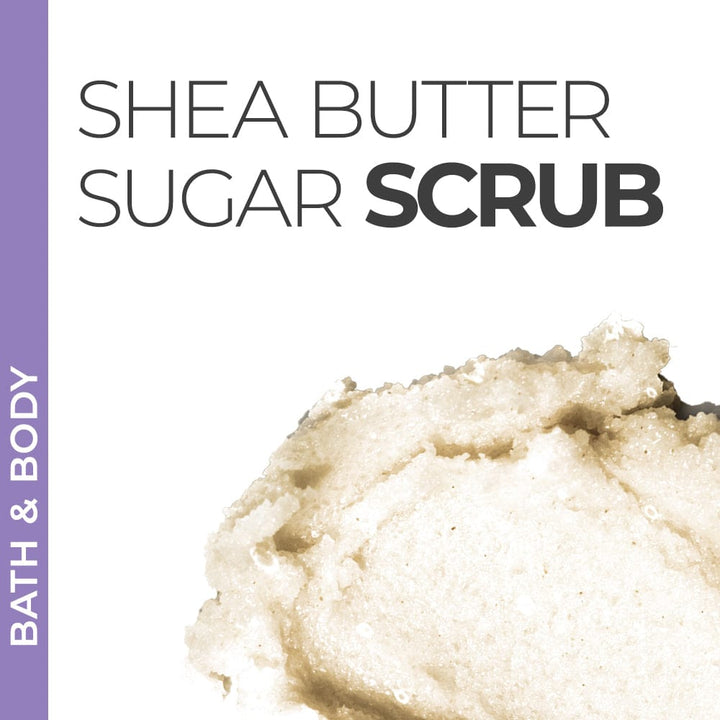
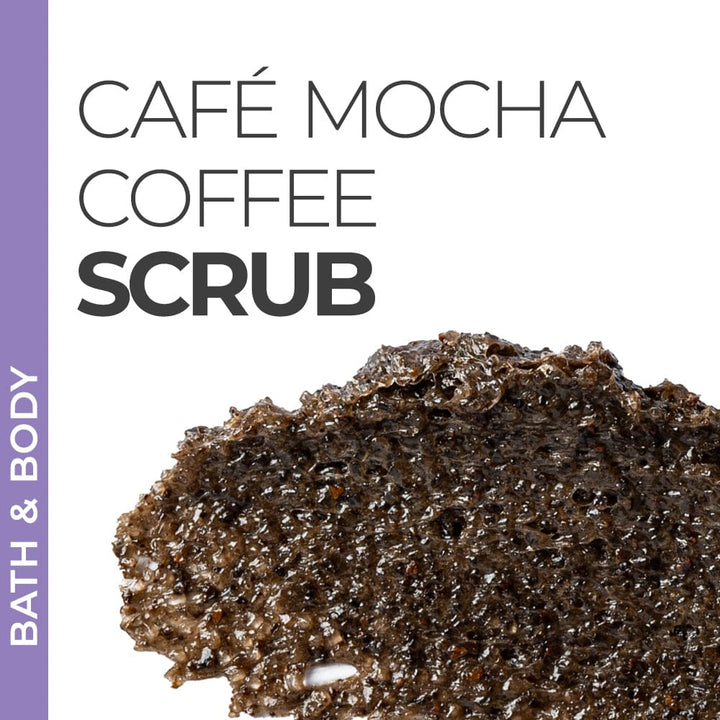
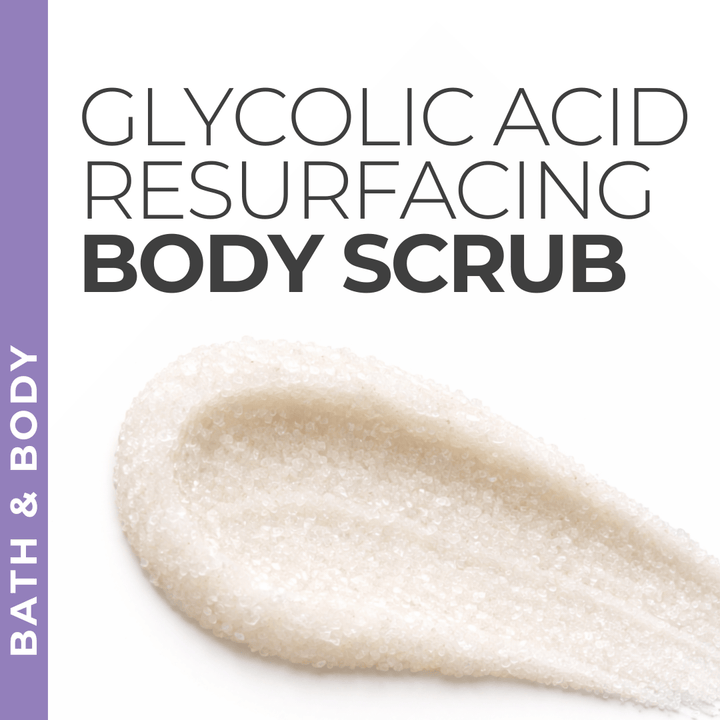
- Pravada Private Label (Fort Myers, FL) lists white-label / ready-for-market scrubs from a 50-piece minimum, semi-custom from 250+, and full custom from 2,500+, on an FDA-registered, GMP-compliant basis. Verified on their own body-scrubs collection, 2026-10-14. If you need fewer than 200 units to test a concept, this is a better entry than Moe’s Group.
- Lady Burd is a US private-label and contract manufacturer whose range includes pumice and apricot-seed scrubs. Reported via a market-research aggregator (pmarketresearch.com, 2026-06-14); their current scrub MOQ was not confirmed on their own site in this research, so verify before outreach.
- FormuNova is cited as a US custom formulator with lower minimums for sugar, salt and coffee scrubs (same aggregator, 2026-06-14). We did not confirm figures on their own site; treat as a lead to verify, not a quoted number.
Where Moe’s Group is the wrong fit. If you want to test with fewer than 200 units, Moe’s floor rules them out — Pravada’s 50-piece option or a small-batch formulator fits better. If you specifically want an OTC drug scrub — salicylic acid sold as an acne treatment, for example — that is drug manufacturing with its own FDA establishment registration, a different lane from cosmetic contract manufacturing; look for a co-packer registered for OTC drug production. And if your plan depends on the lowest possible per-unit cost at very high volume, offshore ODM/OEM manufacturers can undercut a US factory, with the familiar trade-offs in oversight, lead time and intellectual-property control. Moe’s Group suits a brand that wants cosmetic scrubs made in the US, at 200 units for a stock formula or 1,000 for a custom one, with formulation, filling and labeling under one roof.
What about doing nothing, or making it yourself?
The cheapest route is to keep hand-making small batches, and for strictly personal use that is fine. The moment you sell commercially, the Modernization of Cosmetics Regulation Act (MoCRA) applies: cosmetic facilities must register with the FDA and renew every two years, and the responsible person must list each marketed product. It applies whether the scrub is physical or chemical. Before you place an order with any contract manufacturer, confirm the facility is FDA-registered — Moe’s Group is FDA registered; note that the FDA does not grant pre-market approval to cosmetics at all, so “registered” is the status to look for, not “approved”. The FDA’s overview of cosmetics and U.S. law covers both the registration duty and the cosmetic-versus-drug line.
Frequently asked questions
Is an AHA body scrub a cosmetic or a drug?
It depends entirely on the claim. An AHA scrub sold to exfoliate and improve how skin looks and feels is a cosmetic. The same scrub marketed as an acne treatment, a scar-fading product or a skin-lightening product is a drug. The ingredient does not decide it; the marketing claim does.
Do I need the sunburn-alert label on an AHA scrub?
FDA guidance recommends that cosmetics containing an AHA and applied to sun-exposed skin carry a statement warning of increased sun sensitivity and advising sunscreen, protective clothing and limited sun exposure for a week after use. Physical scrubs without AHAs do not need it.
Does MoCRA registration apply to a small scrub brand?
Yes, once you are selling commercially. The facility must be FDA-registered and renew every two years, and your products must be listed. Confirm your manufacturer’s registration before ordering rather than discovering a gap later.
What is the realistic minimum order for a private label body scrub?
It varies by manufacturer and by stock-versus-custom. At Moe’s Group a stock white-label scrub starts at 200 units and a custom private-label formula at 1,000. Elsewhere, Pravada lists ready-made scrubs from 50 pieces (verified 2026-10-14). Industry listings commonly cite a 500–2,000 unit range for custom private-label scrubs, so check each manufacturer’s own current figure.
Can one factory handle both my cosmetic scrub and an acne-treatment version?
Not necessarily. Cosmetic contract manufacturing and OTC drug manufacturing are separate regulatory lanes with separate FDA registrations. If your range mixes a plain exfoliating scrub with a drug-claim acne scrub, confirm which lanes a prospective manufacturer is actually registered for before you commit.

Weighing a US contract manufacturer for a cosmetic body scrub at 200 or 1,000 units? You can lay out your brief and ask about your specific exfoliant and packaging through Moe’s Group’s product inquiry form.